Woluwe-Saint-Pierre is the most expensive municipality in the Brussels Region. According to the Federation of Notaries, it holds the top position in 2025 for houses, with a median price of 746,500 euros, as well as for apartments, at 360,000 euros. In an already highly valued municipality, the question of up-and-coming neighbourhoods is posed differently: this is not about gentrification, but about targeted projects in a municipality that advocates controlled densification. Here is a factual reading of what is being planned.
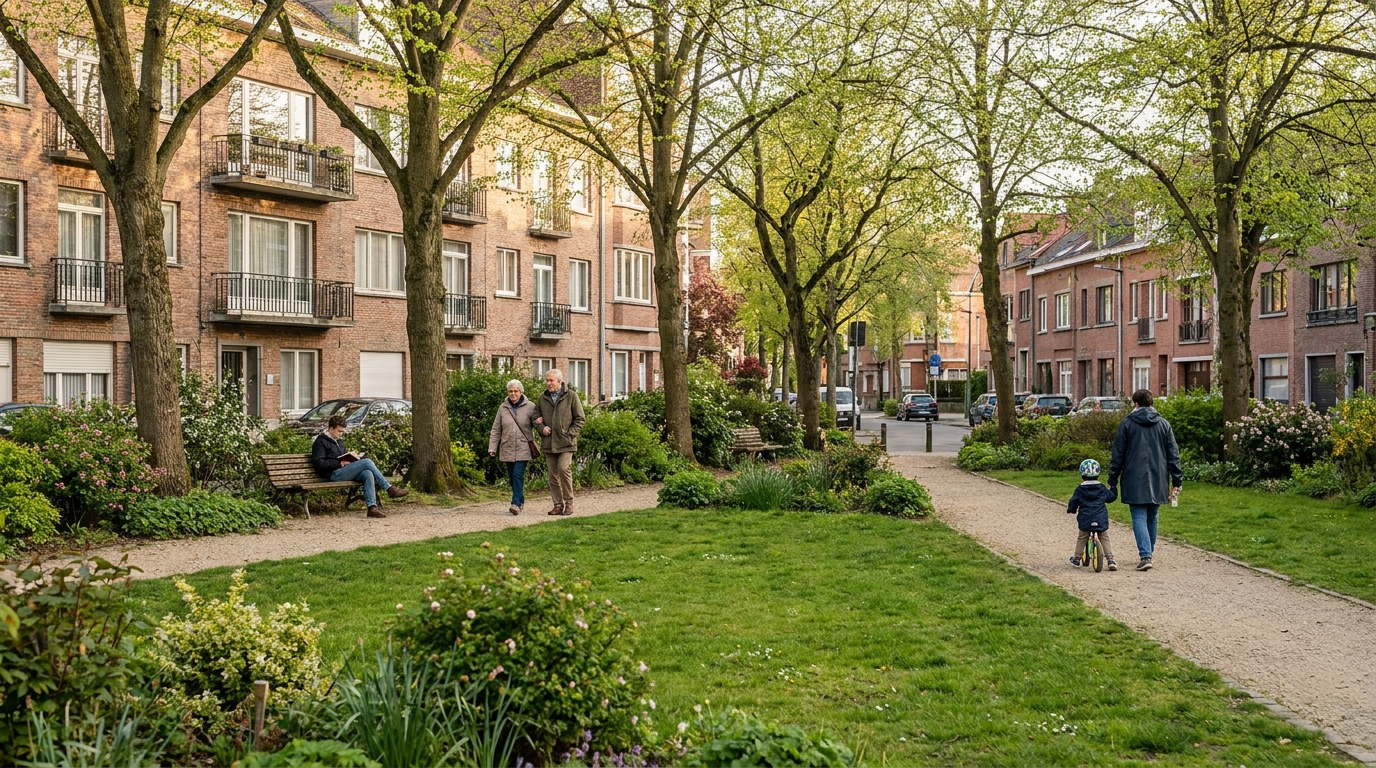
A methodological precaution: identifying a project never guarantees capital gains, and timelines can evolve. In Woluwe-Saint-Pierre, an essential piece of context: the municipality clearly states its intention to limit densification of its territory and preserve the quality of its urban landscape, with particular attention to re-greening and rainwater management. The approved projects follow this logic.
The Dames Blanches project
This is the largest project under discussion. The Dames Blanches site is among the last natural spaces in the municipality and the Region. Rather than heavy urbanisation, the project selected for this valley includes a market gardening dimension, planned over approximately fifteen years, which enhances the site while preserving its natural character. For surrounding neighbourhoods, this is the prospect of a large, permanently preserved green space, a quality-of-life asset in a municipality already sought after for its greenery. The project has been debated, as is often the case when a natural space is involved.
The conversion of the Chant d’Oiseau convent
In the heart of the Chant d’Oiseau neighbourhood, the Franciscan convent site, with its 2.4-hectare park, is changing hands. The religious community, now smaller, has transferred the complex to two partners tasked with renovating the site, with an affirmed social vocation: it is planned to create homes for people with disabilities as well as housing for elderly persons. The conference centre on site is due to close in 2027. This conversion of a large, preserved complex illustrates how the municipality evolves its building stock without concreting over.
New residences near Place Dumon
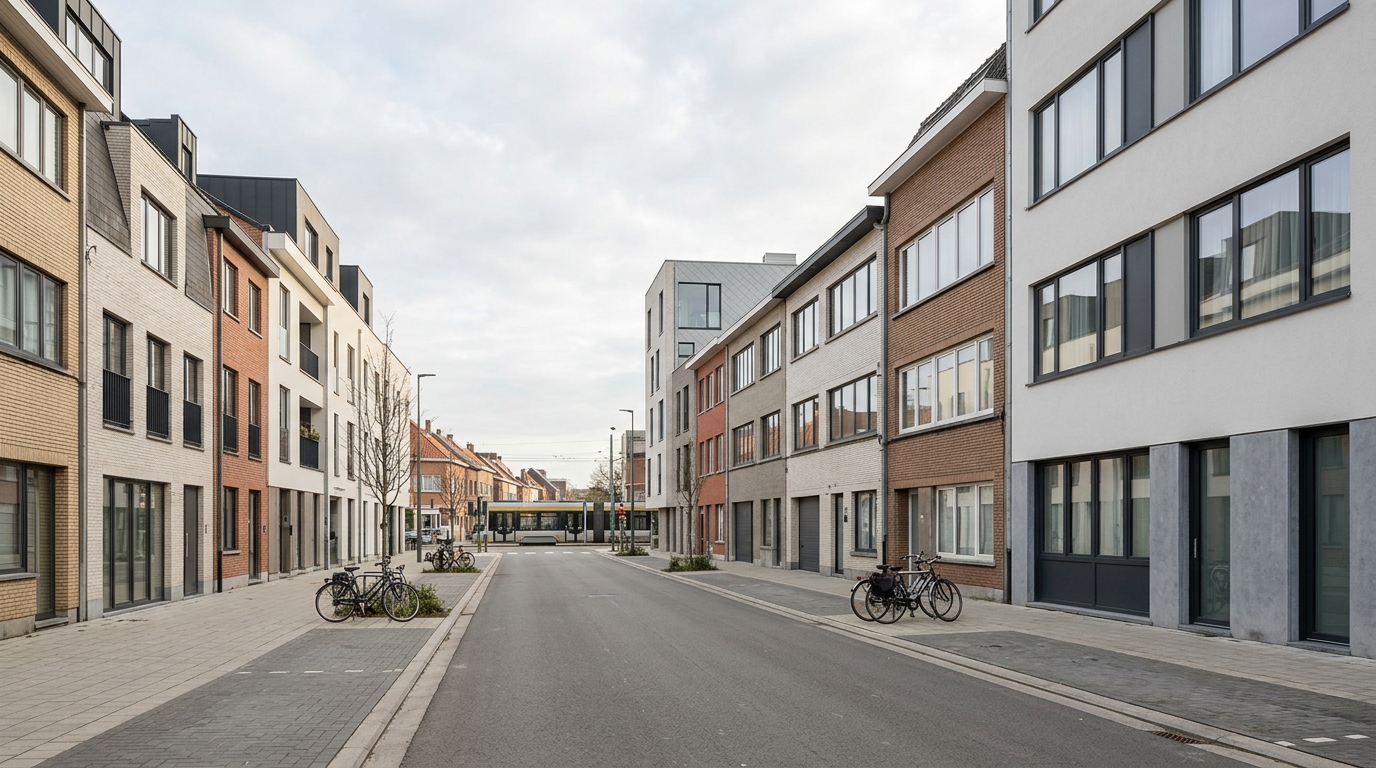
Around Place Dumon, in the highly sought-after Stockel sector, new residences are expected. This neighbourhood, with its village spirit, quality shops and metro terminus, remains one of the most demanded in the municipality. We dedicate a comprehensive guide to it separately, for details on its atmosphere and market. The arrival of new housing responds to sustained demand, in a rather upmarket segment.
The premium neighbourhoods and their nuances
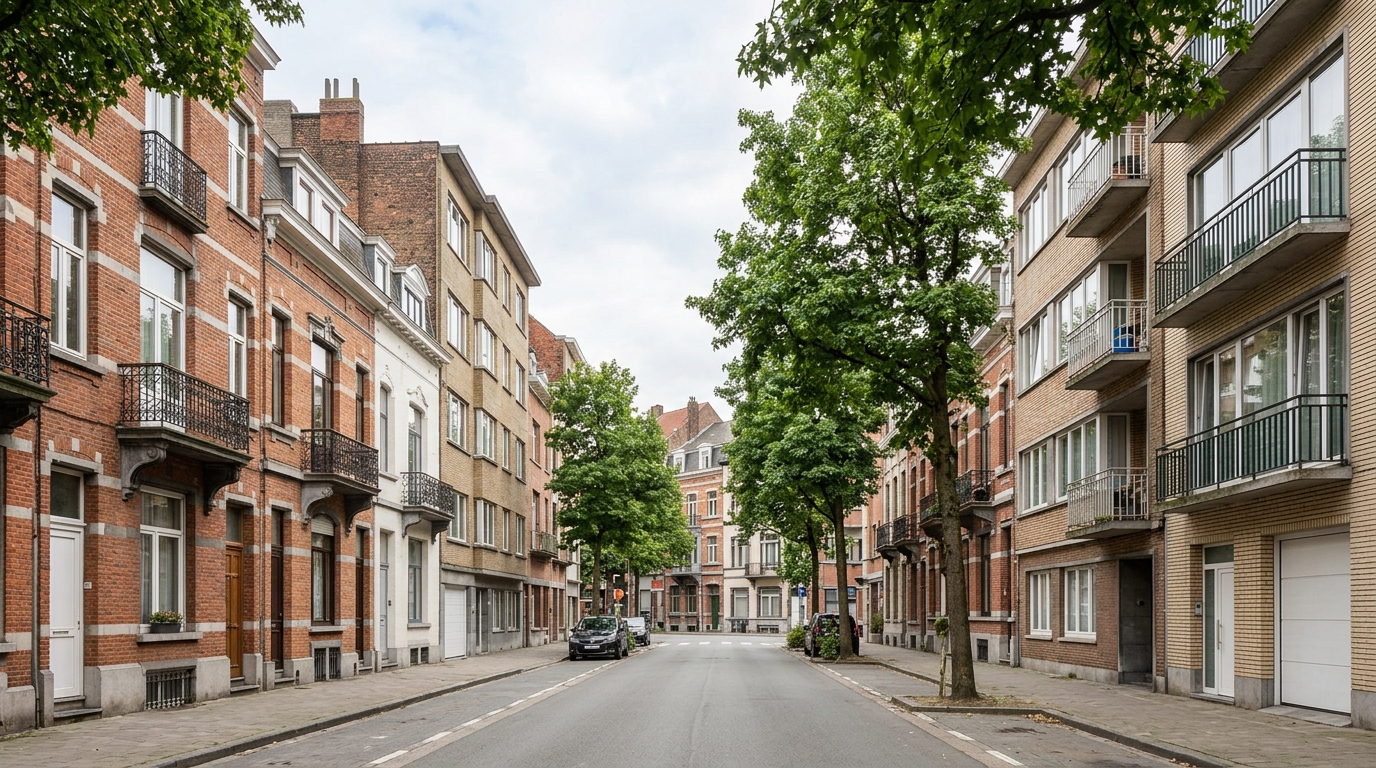
Woluwe-Saint-Pierre is made up of several affluent residential neighbourhoods, each with distinct dynamics. Stockel and the Centre, around the town hall, concentrate shops and neighbourhood life. Chant d’Oiseau, Sainte-Alix and Joli-Bois offer a calmer setting, predominantly single-family homes. Sectors such as Putdael and the Corniche Verte are among those where incomes have risen most in recent years. This mosaic explains the heterogeneity of prices: Woluwe-Saint-Pierre is, according to the Federation of Notaries, the most heterogeneous municipality in the Region for apartments, with values that spread widely by sector. In other words, it remains possible to find properties at varied price levels.
Public spaces and mobility
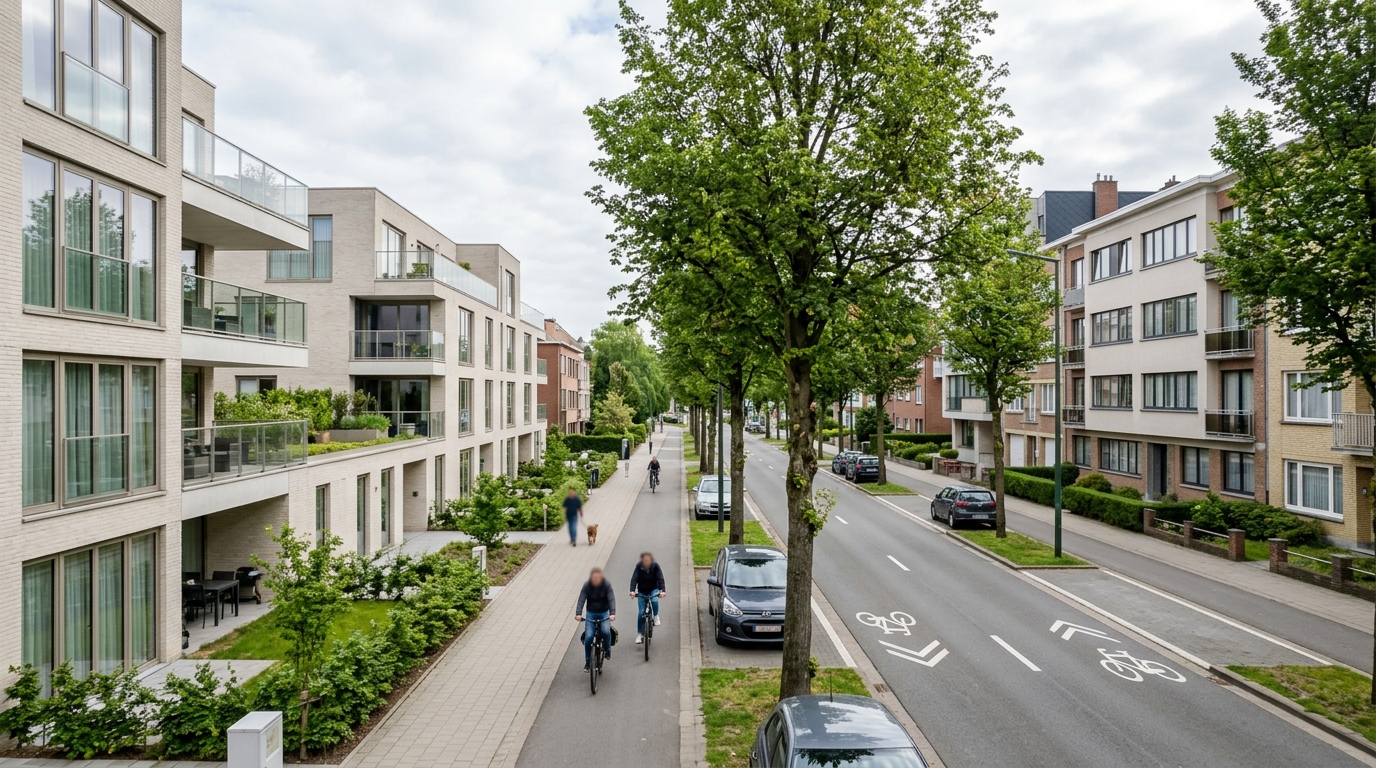
The municipality has launched a mobility and development plan to 2030, which includes the renovation of the town hall esplanade and Place des Maieurs, the reconstruction of several schools, the creation of new nurseries and the development of an urban agriculture space in Woluwe Park. A traffic-calming mesh project in the Chant d’Oiseau neighbourhood aims to limit through traffic in favour of local circulation and soft mobility. All elements that improve the living environment without densifying.
What this means if you are buying or selling
If you are buying, keep in mind that Woluwe-Saint-Pierre plays the card of scarcity and quality rather than rapid transformation. Value is driven by the living environment and controlled densification, making it a stable but budget-demanding market. If you are selling, this premium positioning is an asset, provided you set a fair price: the municipality being very heterogeneous, the valuation must descend to the neighbourhood and property level.
Considering selling in Stockel, Chant d’Oiseau or elsewhere in Woluwe-Saint-Pierre? Obtain a free, precise valuation from our local agents.
This article offers a factual reading of current projects at the date of writing. It does not constitute investment advice and does not prejudge future price developments.
Frequently asked questions
Are there major property projects in Woluwe-Saint-Pierre?
Yes, but targeted. The main ones are the Dames Blanches project (enhancing a natural space with a market gardening dimension), the conversion of the Chant d’Oiseau convent into care homes and housing, and new residences near Place Dumon. The municipality advocates controlled densification.
Why is Woluwe-Saint-Pierre so expensive?
It is the most expensive municipality in the Region: according to the Federation of Notaries, the median house reaches 746,500 euros and the median apartment 360,000 euros in 2025. Its scarcity of supply, green setting and quality of life support these levels.
Can you still find an affordable property in Woluwe-Saint-Pierre?
The municipality is the most heterogeneous in the Region for apartments, with highly variable prices by neighbourhood. It therefore remains possible to find properties at more affordable levels, particularly apartments requiring renovation. A local valuation helps target the right sector.
Categories